7 minutes read time.
How does the gender binary impact our perception of witchcraft, spirituality, and cosmology?
Trying to erase queer and transgender language from public life is an act of oppression. While we may not always be able to change the broader political landscape, we can shift the narratives within our own magical and spiritual communities.
This essay is written for witches, healers, and spiritual seekers who are curious about how binary concepts like “masculine” and “feminine” energies affect queer practitioners.
These are my reflections through a genderqueer witchcraft, not a universal truth. Each of us has unique lived experiences, and I invite you to hold that in mind as you read.
Experiencing the Cosmos in a Queer Body
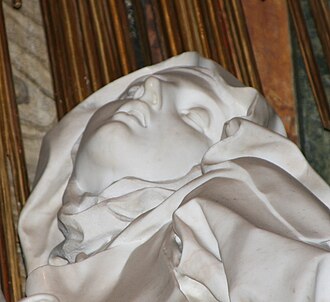
The Universe is not male or female. It is infinite, expansive, and beyond human categories. At times it contains binaries, but it is also multitudes, queer in its refusal to fit into neat boxes.
Our bodies mirror this complexity. We are made of millions of cells, atoms, and unseen spiritual forces. While society tries to compress existence into rigid male/female frameworks, lived reality is far more nuanced.
Language plays a powerful role here. It shapes how we relate to ourselves, our magic, and our communities. Spiritual language rooted in binaries can feel limiting or even erasing for genderqueer witches. If we want to heal from patriarchy, we need to reimagine cosmologies that move beyond these constraints.

The Witch Archetype as Queer
Queer is a term that has been reclaimed by LGBTQ+ communities, and more or less signals living outside of heteronormativity.
The Witch archetype is inherently Queer. Witches have long been feared, vilified, and marginalized for embodying “otherness.” During the European witch trials (14th–17th centuries), at least 85% of those persecuted were women.
These women were typically not actual witches. Although some were like Bessie Dunlop written about by Emma Wilby in her book Cunning Folk and Familiar Spirits: Shamanistic Visionary Traditions in Early Modern British Witchcraft and Magic. Despite some examples of actual witchcraft practitioners being put on trial, these were mostly women who represented a challenge to societal norms.
Midwives and other women carried knowledge that posed a threat to patriarchy and the rise of capitalism. In the Caliban and the Witch, Silvia Federici explores femicide through the European witch trials, and the systems put in place to exploit women’s bodies to birth laborers for transitioning to the capitalist economy.
Knowledge of contraceptives, birth control, and how to have personal control over one’s reproduction were systematically stripped away from the people. Many of the people who were targeted were folk healers and women with this knowledge.
Today, queer witches reclaim the archetype as a symbol of resistance and liberation. Our very existence disrupts social norms. By practicing folk magic, ritual, and ecstatic witchcraft, queer practitioners carry forward the Witch’s legacy as both healer and rebel.
The Witch Is Coded Female — Why This Matters
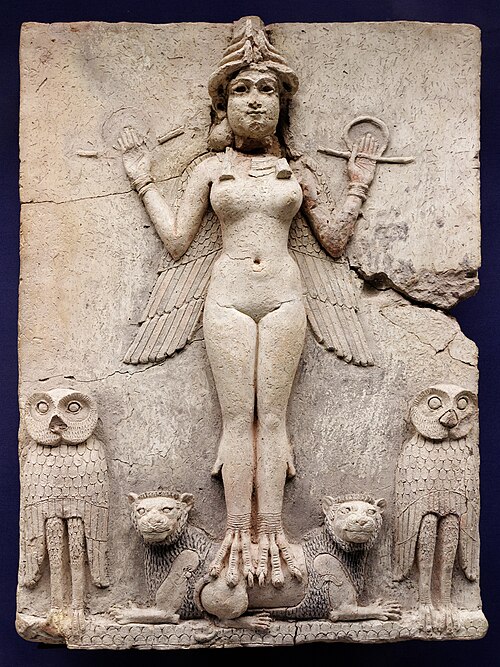
Under patriarchy, witchcraft has often been trivialized as frivolous or commercialized into an aesthetic. Yet folk magic remains deeply rooted in care: healing, grief work, emotional connection, love, and reverence for Earth.
These “feminine-coded” qualities often stand in stark contrast to capitalism’s demand for constant productivity and exploitation of the Earth, each other’s time, and bodies.
But patriarchal backlash is real. With the rise of Christian nationalism, spiritual and other practices or ways of being that operate outside of Christianity, especially those linked with women, queer, and trans people are increasingly scapegoated. This repeats old cycles of violence where marginalized groups were targeted to reinforce social control.
For queer witches, reclaiming the Witch archetype means embracing magic as survival, resistance, and defiance.
Do Gods Have a Gender?
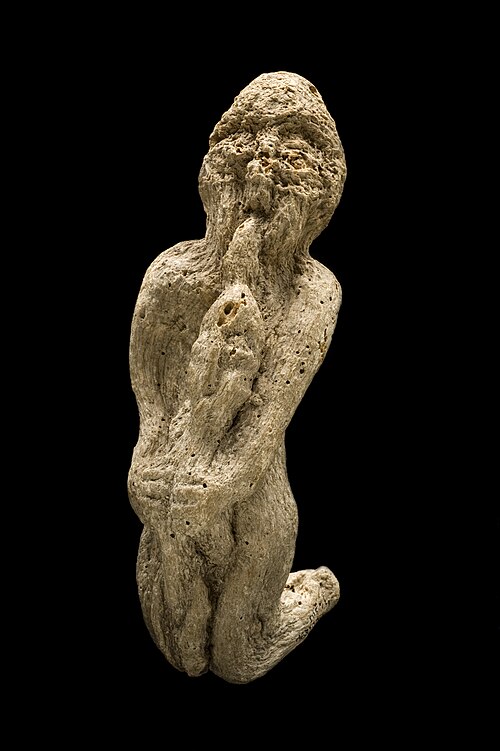
Many spirits do not appear as strictly male or female, they shimmer between forms, existing outside of human binaries. Some plant spirits may come through with gendered qualities (e.g. peyote as grandfather or Lilith as the dark feminine archetype), but these experiences might be shaped by cultural context, lineage, and personal perception.
Some traditions teach that spirits appear in forms our minds can comprehend. If so, then gendered appearances may reflect our social conditioning rather than their true essence.
The cosmos, to me, feels more like a spiral of infinite dimensions than a binary spectrum. Gender may show up in the Mystery, but not in ways that mirror all the baggage that comes with how gender has been conceptualized.

Who Gets Invited to the Women’s Full Moon Circle?
In spiritual spaces, terms like masculine and feminine energy are often used with disclaimers like, “this isn’t about gender, just energy.” But language carries weight. Even metaphorical uses of binary terms can subtly exclude queer, non-binary, and trans people.
The way we relate to gender is deeply woven into us. We can work to unpack this and remove ourselves from this conditioning as best we can, but these systems persist and impact how we get to show up and be perceived in our communities.
I think it can be very helpful to use the concept of a female deity or male entity to better define and understand the principles, healing potential, or kinds of magic we are being called to work with.
I also wonder if we can consider when these distinctions are more or less helpful by asking if they end up serving to write genderqueer and non-binary people out of the spiritual narrative or space? Or when they can be empowering like in the experience of a transgender woman connecting with feminine power through goddess worship.
Teachings that state female spirits only connect with males and vice versa erase genderqueer realities. As my friend, a transgender witch, has said: “It insinuates that genderqueer people inhabit spiritual spaces where the dominant cosmology does not include them.”
Queer witches must ask ourselves, are our cosmologies expansive enough to hold us?
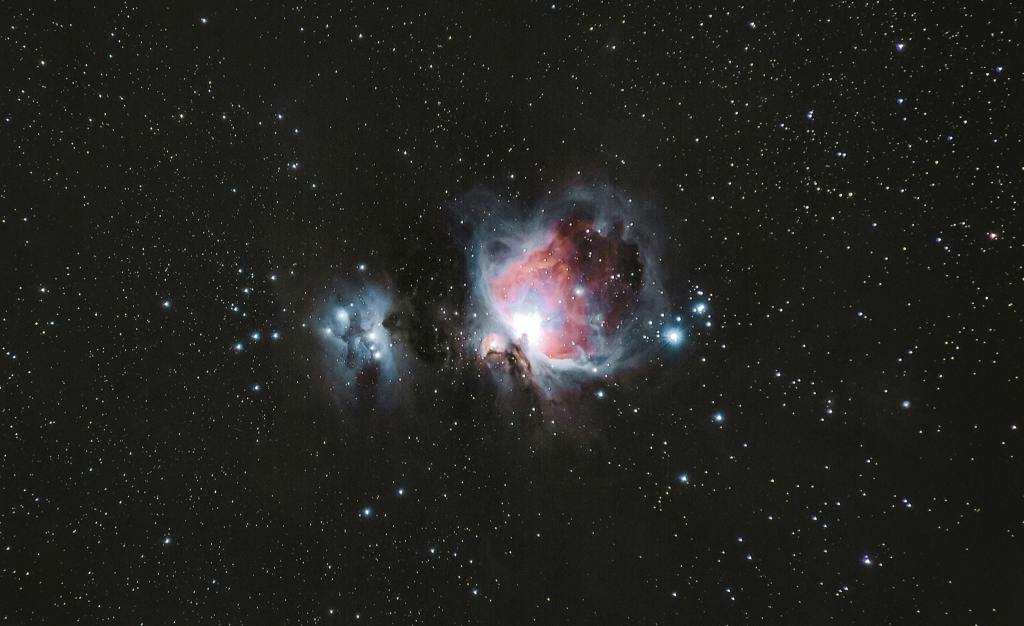
The Magic of Being Genderqueer in a Betwixt Universe
Queerness itself is a kind of magic. Genderqueer and trans witches embody liminality, the betwixt and between spaces that dissolve boundaries.
Rejecting binaries can be liberating, but gender also remains an important initiatory force for many. Healing our relationship to masculinity, femininity, or androgyny can deepen our practice. Working with queer spirits, faery beings, or gender-transforming deities offers profound mirrors for our own becoming.
I feel it is best to approach the spiritual world for what it is, a place that can be much more fluid and less restricted by definition than in our material reality.
If we are physical manifestations of an unseen spiritual dimension, a profoundly mutable dimension, then we also contain the potential for cultivating and exploring diverse expressions as a part of our spiritual path.
Of course, there are always evolving layers to traverse. What if I were to tap even deeper into the essence who we are? The space of everything and nothing, the Void where all things are born from.
When we accept and absorb the complexities of our humanness, we can just be, enmeshed with The Mystery, consumed by the ineffable, a place where identities merge into oneness.
As gender non-conforming witches, do you think we carry the gift of fluidity, not as a puzzle to solve, but as an embodied, evolving enigma?
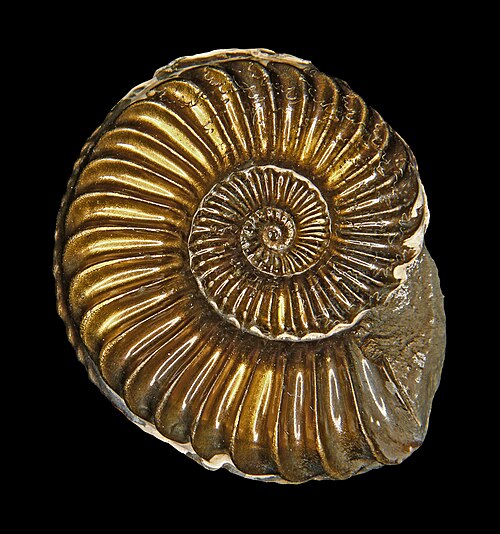
Towards a More Queer Craft
Queer witchcraft invites us to reimagine cosmology. It resists gender essentialism and embraces multiplicity. It honors queer ancestors, androgynous deities, faery spirits, and those who defy categorization.
Instead of clinging to rigid binaries, queer witchcraft softens its gaze. Like the cycles of seed to bloom, or the shifting faces of nature, it embraces change, fluidity, and transformation.
A truly ecstatic witchcraft is one that reflects the multidimensional queerness of the cosmos and of ourselves

 Cult of the Divine
Leave a comment