13 minutes read time.
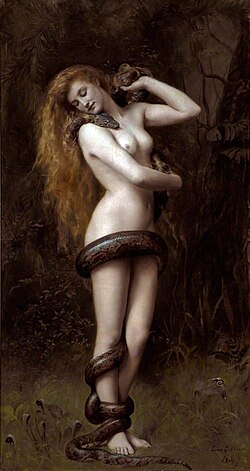
I was born feet first, suffocating and blue from lack of oxygen. It is said in the text The Alephbet of Ben Sira that Lilith would have dominion over babies just after they enter into this world (1). Did Lilith pull me into her clutches? The usual protection amulets for such a catastrophe were not placed around my incubator nor did my parents have knowledge of my future path with the spirit realms. But maybe, just maybe her talons pierced my soul in that moment and marked me for the work of the other…
Whether that story is mythopoetic or simply the way I have come to understand my life, Lilith has accompanied my path for many years.
Are you a child of Lilith, an earth being of night, the Moon, and the Mystery?
The Demon Queen Lilith has had a deliciously complex existence. She has made her way through the ages, trampling on the patriarchy of the Abrahamic religions and finding a home in Traditional witchcraft and dark goddess spirituality.
Her tale is a stormy one. Here I’ll weave together history, folklore, and my own experiences with Lilith to better understand who she is, how she has evolved through different traditions, and what it means to work with her in modern witchcraft.
Let’s begin.
Contents
- The Deep Origins of Lilith as Storm Demon
- Who are the Jinn & the Sheydim?
- Lilith’s Evolution through Traditional Witchcraft
- Working with Lilith in witchcraft
- Closing Thoughts
- References
The Deep Origins of Lilith as Storm Demon
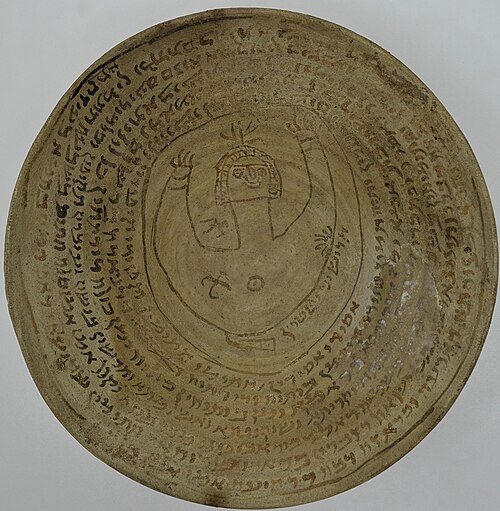
We first meet spirits of Lilith’s ilk in the ancient past. A Phoenician-Canaanite inscription reads,
‘Oh flyer in a dark chamber, Go away at once, O Lili!’ (2)
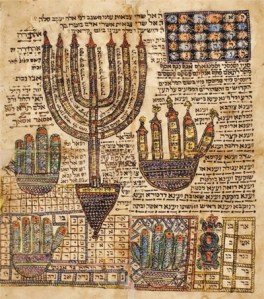
Wind spirits in this region of the ancient world were known as the Lilitu. They were feared for their destructive nature, storm-bringing powers, and relentless disruption to human affairs. Many of the Lilitu powers would come to be transferred to the spirit of Lilith over the centuries.
Lilith as an Ancient Spirit of the Land
Before the formation of the religions we know today, lore tells us that the world was filled with spirits of the land, what we have come to term jinn, faeries, giants, and other fantastical beings.
Could Lilith have been one of these beings?
One consequence of viewing non-human spirits through a religious lens is that it flattens the multiplicity of the spirit world. Lilith might be one example.
Lilith is considered a Jinniyah (female Jinn) or a Demon/Sheydah (female Sheydim) in the Arab and Jewish worlds respectively. I have found these spirit types frequently conflated with demons in not only religious texts but some academic ones as well.
When we dig deeper into the scholarship and colloquial understanding, both Jinn and Sheydim are seen as morally ambiguous, sometimes helpful and sometimes harmful to humans, while demons tend to be defined as more evil on a spectrum of good to evil.
I’d like to try to tease out what sets Lilith apart from pure demoness. Even if she retains some of these qualities, there is more to every story.
In my opinion, Lilith is best understood not only as demon or goddess, but as an ancient spirit of Nature whose identity has evolved across Abrahamic religions, Jewish folklore, Jinn traditions, and traditional witchcraft.
Who are the Jinn & the Sheydim?
Let’s first get grounded into who the Jinn and the Sheydim are according to available sources as these spirits might be one of the best avenues for understanding who Lilith is.
In Jewish tradition it is taught that the sheydim are a unique class of beings,
…In three ways they are like ministering angels, and in three ways they are like humans.…They have wings like ministering angels; and they fly from one end of the world to the other like ministering angels; and they know what will be in the future…— Babylonian Talmud Hagigah 16a (3)
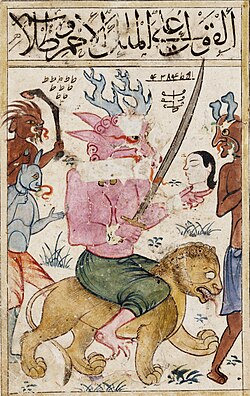
The Jinn who are analogous to the Sheydim are similarly described in Islamic traditions. In the Qur’an it is said they are formed from the tip of a flame, the part of the fire that produces no smoke. They are said to predate humanity, appearing on Earth millennia before the creation of human beings.
Like humans, they possess free will and can choose their religion and life path. They live, reproduce, and die like humans, albeit for much longer periods of time.
As the Talmud describes the Sheydim, the Jinn also share characteristics with angels traveling in an instant and possessing skills of divination.
Because Lilith’s origins reach deep into the ancient world as a storm demon, she naturally becomes connected with the Jinn as a pre-Islamic spirit of nature. Lilith would eventually come to be known as the Mother of the Jinn in traditions from this region of the world (2 pg. 32).
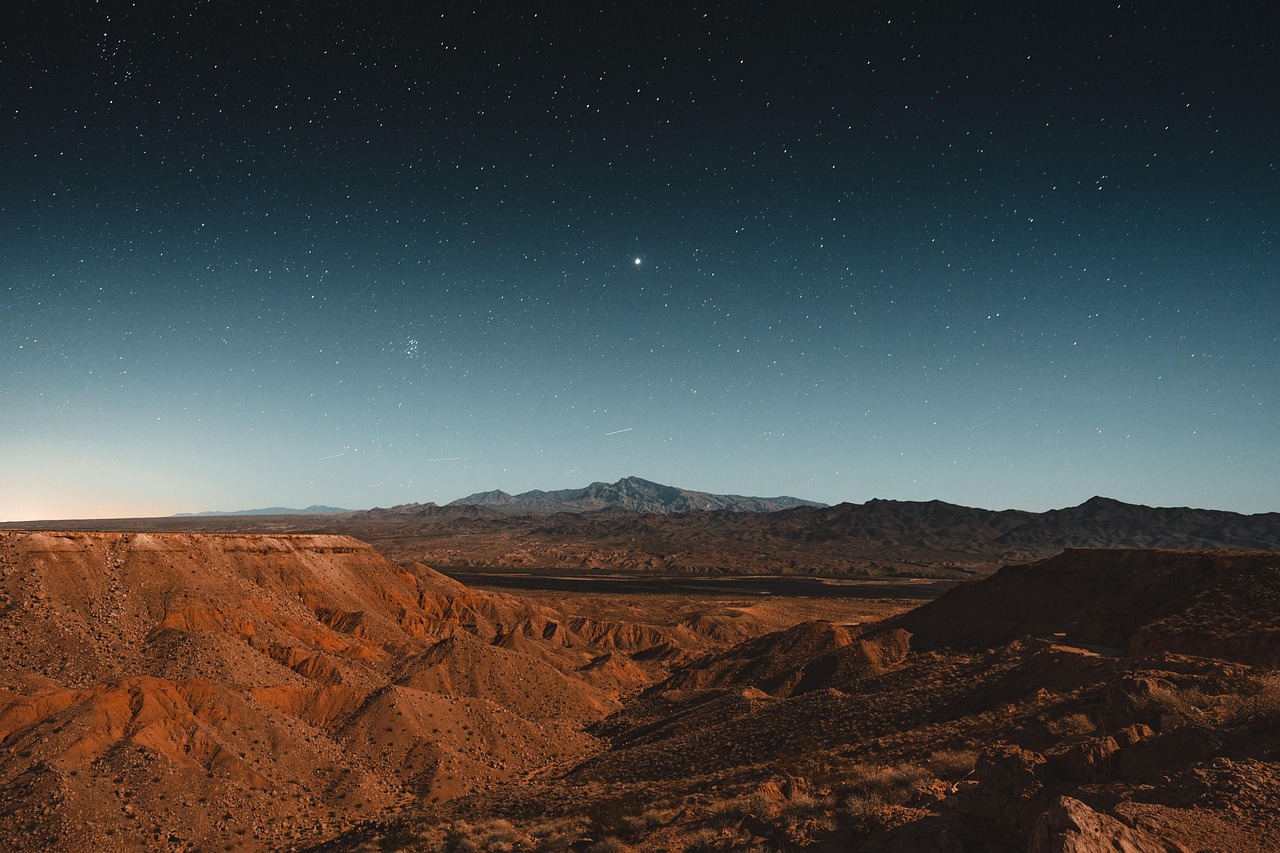
Jinn & Faery Overlap
In her iteration as a Jinniyah, we find Lilith as occupying the realms of spirit, but not in the heavens with God so much as betwixt heaven and the material world of humans. This implies she lives in the spiritual dimension that is also occupied by the Faeries.
Sheydim, Jinn, and Faeries all share similar qualities such as shape-shifting, magical foresight, humanoid-animal hybrid forms, and beings not situated in the celestial realms, like Angels, for example. They all are connected with ancient spirits of Nature and point to early humans’ animistic roots.
This overlap between Faery and Jinn magic is uncanny in my opinion. As our ancestors made sense of the spirit world they were likely encountering similar beings but with the drapery of the respective culture and landscape.
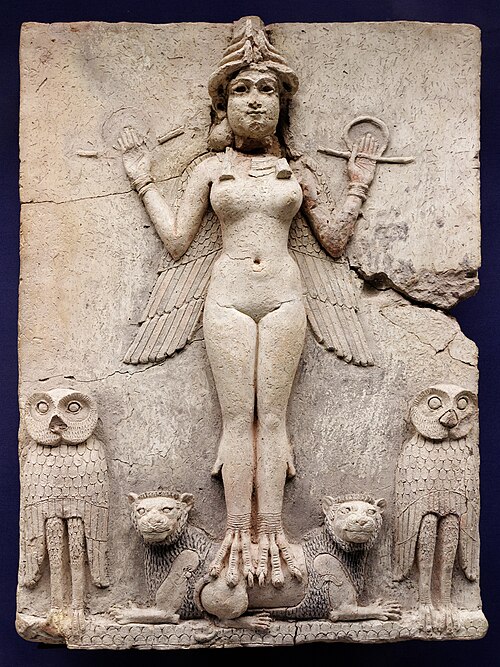
The Animal-Human Hybrid: Evidence of In-between
Stories abound across Jewish and Arab cultures that the legs of these Sheydim and Jinn spirits do not appear as human legs. Instead, these spirits conceal a secret in the form of their chicken feet, claws, cat paws, and serpent tails.
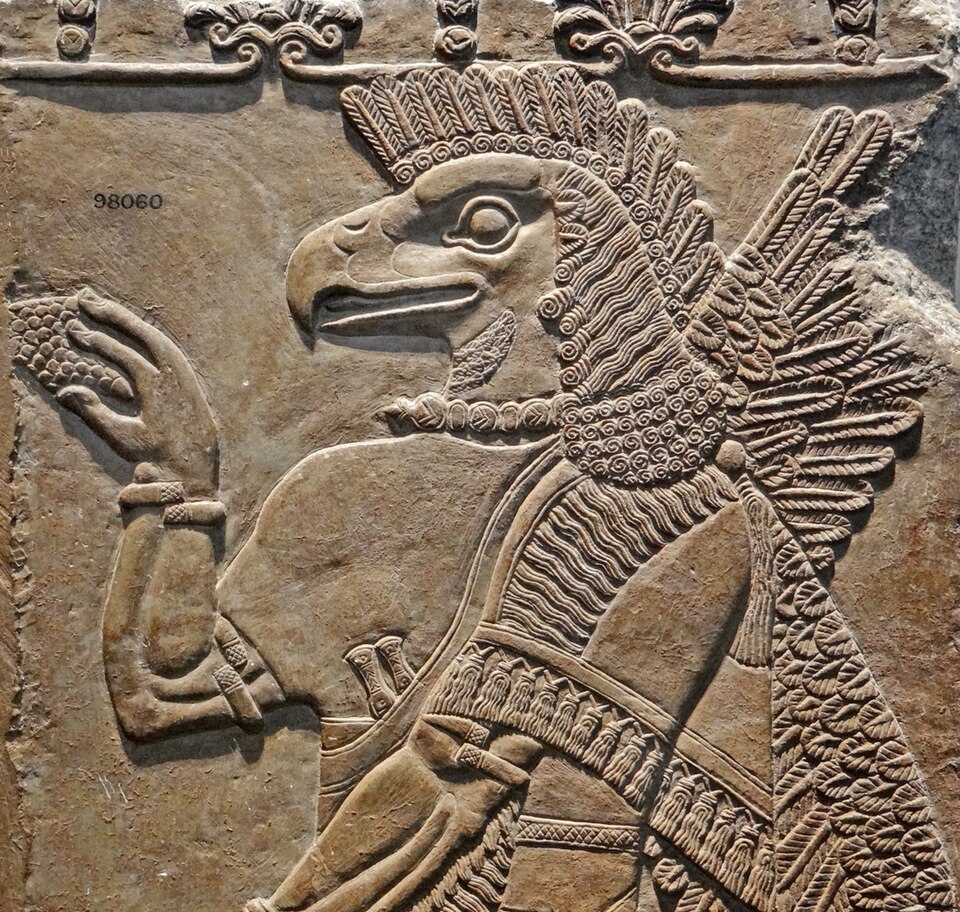
Lilith is also presented to us in the form of human-animal hybrids. She is linked with harpies, sphinxes, and the Serpent in the Garden of Eden. Other lore links Jinniyah and Lilith with body hair and it is said that Jinniyah will have excessively hairy legs, an indicator of their part animal natures.
In my own practices with the Jinn, many have revealed their serpentine hybrid forms, while Lilith has appeared to me as a spirit more fully resembling a human being.
Lilith’s Evolution through Traditional Witchcraft
Now that we have met Lilith in her original historical and cultural context, let’s explore her evolution in the world of witchcraft. In some traditional witchcraft circles, Lilith has emerged in a variety of forms. She has been linked with
- The Goddess Diana
- Queen of the Faeries
- Sister of Tubal Cain (a form of Azazel, giver of the cunning fire)
- A Demon Queen (as consort of Samael, angel of death and king of Demons)
- The Goddess of Witches
This is a remarkable transformation for a being who started out as a wind spirit known to the ancients who lived in the lands of Mesopotamia and the Levant.
Traditional witch author Andrew Chumbley wrote on Lilith during his lifetime, creating invocations and other writings based on Lilith practices for the tradition of Sabbatic witchcraft.
References to her magic are found everywhere in neo-paganism from Anderson Faery/Feri witchcraft all the way into the Wiccan writing of Doreen Valiente.
While I cannot speak to how all witches work with Lilith, I’m not drawn to label her as queen, goddess, or demon. For me, she seems to share the most with the Sheydim.
The reasoning for this is her enduring power in Jewish tradition, the cultural home of the Sheydim along with her Jinn-like nature, morally gray, existing between Heaven and Hell, and as a nature spirit of the deep past.
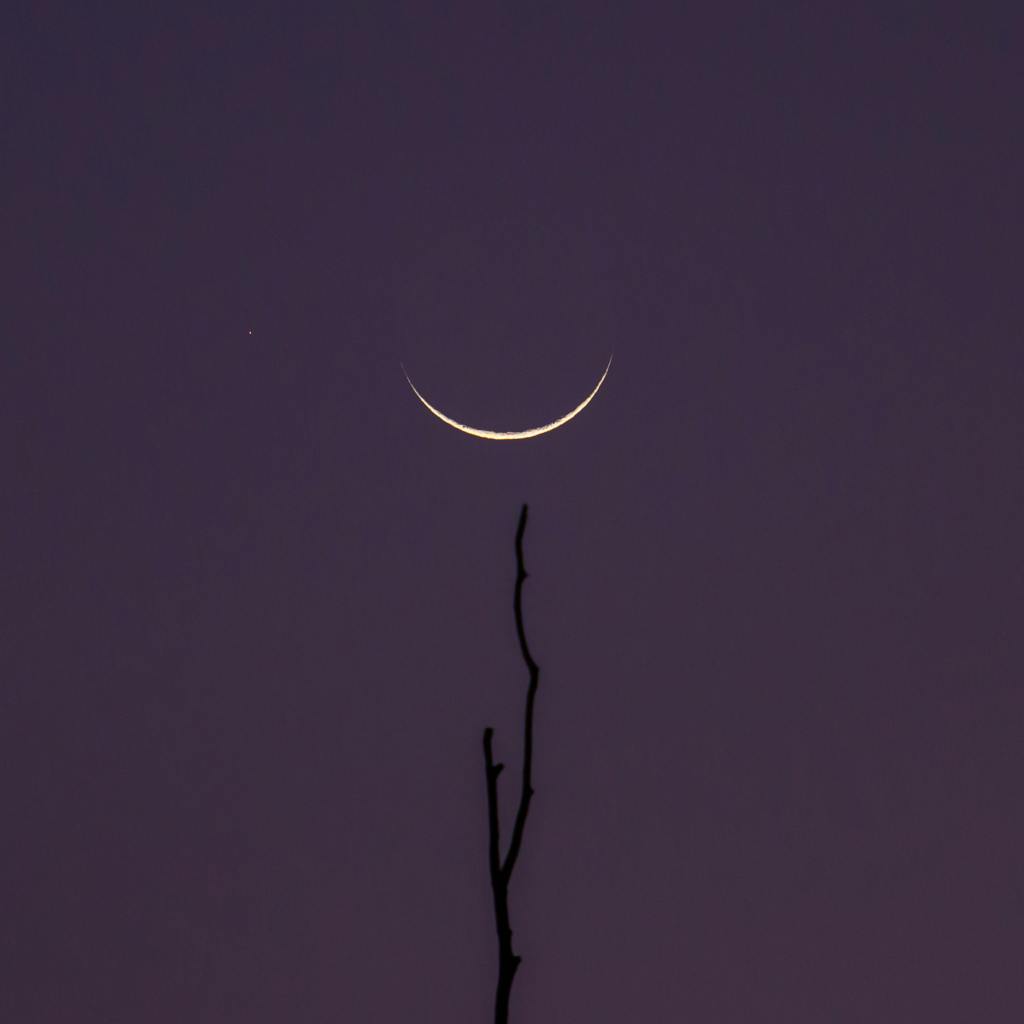
Lilith at the Threshold of Power, Sovereignty, & the Past
Before I ever met my first human witchcraft teachers, I met Lilith. Her spirit came to me on the night of a New Moon that coincided with the Lunar Apogee, a time in the Lunar cycle when the Moon is farthest away from the Earth.
Like other threshold entities, Lilith lives at the edges of the Unseen on the shores of the Red Sea. Here she is between land and water, a true hedge space. Lilith lives in the liminal dimension and therefore can be seen as existing in service to the power of change, initiation, and transition at the gate between life and death.
She demands we claim our power, especially where it has been stolen, oppressed, or undermined. This is probably why she has found a home in the world of witchcraft and as empowering for people seeking guidance from the dark goddesses.
For centuries women and other people at the margins have been abused and oppressed by the powers that be. Lilith, while she has her faults and shortcomings, represents the struggle for freedom, bodily autonomy, and spiritual sovereignty.
These themes closely match the long history of folk witchcraft as one of the available tools the people had in rallying against oppressive forces.
In Traditional Witchcraft, Lilith is accessed as a liberator, much like Lucifer the Lightbringer or the Peacock Angel from Faery Witchcraft. In this guise, she is a guide, showing us how to access our inner divinity to discover our true nature and sources of personal power.
When we invoke Lilith we are calling on a time that is older than patriarchy. She is a direct line to the ancient pre-human power of the land itself. For me, she has come to be a champion of our direct experience of the forces of nature, not mediated by other human beings, religions, or structural powers.
Working with Lilith in witchcraft
Now that we have an understanding of who Lilith is and where she might fit into the schema across religion, folklore, and witchcraft, let’s bring her into our lived practices.
If you feel called to work with this spirit, I suggest that you take your time; open the door slowly and intentionally. Be ready to uncover shadows and to potentially upset the balance of things for a while.
For me, work with Lilith developed over many years and there are long periods of time where I will not directly call on her or invite her into my space. I don’t always need to invite her kind of intensity into my life!
Lilith brings the mysteries of life and death to the forefront, which includes destruction. Consider what will be torn down in your life. What needs to be demolished to make way for a deeper craft, a different story, or a new path?
While some spirits are more global and their magic feels more broadly healing for the collective, Lilith appears to me as more supportive of personal transformation, growth, and healing.
There are many aspects of spiritual development that are a solo journey. In these moments of seeking and solitude, perhaps Lilith will appear to help us traverse the storms of our inner spiritual terrain.
Lilith at the Altar
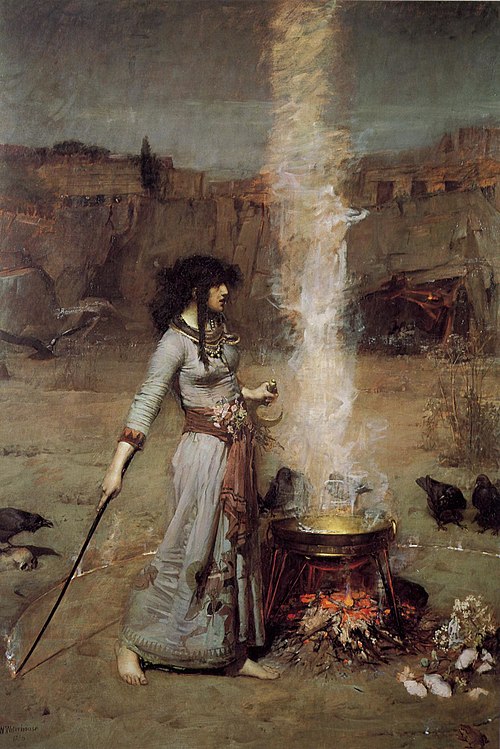
If you want to invite Lilith onto your altar space, here are steps you can take to invite her into your magic. Begin on a New Moon and set an intention to call Lilith into your practice.
- Have a set area just for her
- Have a candle you can light when you invoke her spirit (I suggest a red glass candle, but any will do)
- An image, statue, or other figurine that represents her can be helpful
- Have a cup for Lilith to offer her libations (I prefer red wine)
- Write a simple prayer, maybe a few lines, that you can use to call upon her. Here is an example:
I call on you sister Lilith
Spirit of the Edges
And guide to Witches
Join this rite
What to Expect
You might feel her presence like a rush of wind, see visions of a banshee-like woman with wild hair, or you might feel nothing at all. Let your experience unfold naturally as everyone has different sensations when calling on spirits.
However she appears to you, know the intention has been set. From here, pay attention to dreams (one of her favorite ways of communicating I have found) and the events in your life that follow the invocation.
If things start to shift in areas of your personal power and path, this could be a sign that Lilith is at work in your magic. Keep discernment in mind and interpret things with a keen eye. It is okay to take a step back to evaluate your experiences as you deepen into spirit work in witchcraft.
Lilith Correspondences & Symbols
- Time of Day: Night
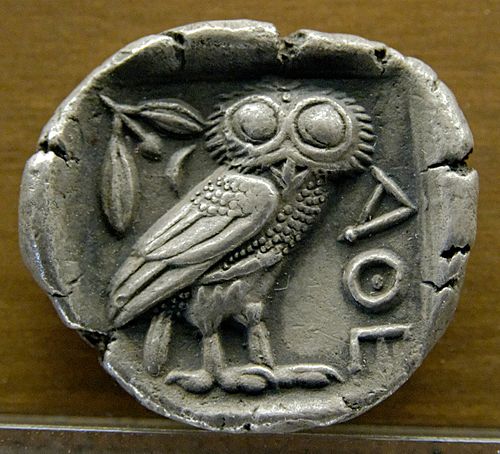
- Animals: Screech Owl & Serpents
- Plants: Willow Tree
- Realms: Deserts, Underworld, Caves, Shores, Liminal Spaces, Transitions
- Offerings: Red Wine, Candles/Fire
- Moon Phase: Balsamic Moon & the Lunar Apogee
- Powers: Raising Storms, Freedom, Words of Power
- Body Part: Voice, Throat, Body Hair
- Element: Wind & Fire
- Direction: South
- Colors: Red, Black, Sand
- Archetypes: Wild Woman, Witch, Temptress
Who Should Use Caution with Lilith
Traditionally, Lilith has been associated with dangers surrounding childbirth, infants, and pregnancy. Because of these longstanding associations, I personally would exercise caution in directly approaching her during those stages of life.
In my experience, spirits are very real and they are not all beneficial or aligned to our life path. I believe it is important to respect the spirit world as a space belonging unto itself and not make assumptions about how things work in the Other World based on a solely human perspective.
Closing Thoughts
So who is Lilith? A Goddess, a Witch Queen, a Jinn Demoness? Maybe she is all of these things. What we know is she is ancient beyond our comprehension and her spirit endures, despite what some have said is centuries of ‘bad press.’
Lilith lives amongst the witches, a subversive mentor to those on the Crooked Path. At times she is harsh, but she offers glimmers into the realms of our true desires. She understands our animal nature, as she too is part animal.
Lilith also understands our divinity, as she too is divine, made in God’s image. Working with Lilith is a blessed taste of the Mystery. I wouldn’t have it any other way, but I would exercise discernment, always.
In love and magic,
RZ
References
- The Alphabet of Ben Sira. Various translations.
- Lebling, Robert. Legends of the Fire Spirits: Jinn and Genies from Arabia to Zanzibar. London: I.B. Tauris, 2010.
- The Babylonian Talmud. Hagigah 16a. Various editions and translations.
- Morgan, Lee. Sounds of Infinity: Traditional Witchcraft and Faery Mysticism. Guildford, UK: Atramentous Press, 2013.
- Black, Barbara. The Book of Lilith. York Beach, ME: Samuel Weiser, 1997.
- Patai, Raphael. The Hebrew Goddess. 3rd enlarged ed. Detroit: Wayne State University Press, 1990.


Leave a Reply